The Surprising Longevity of Tree Roots After cutting them down
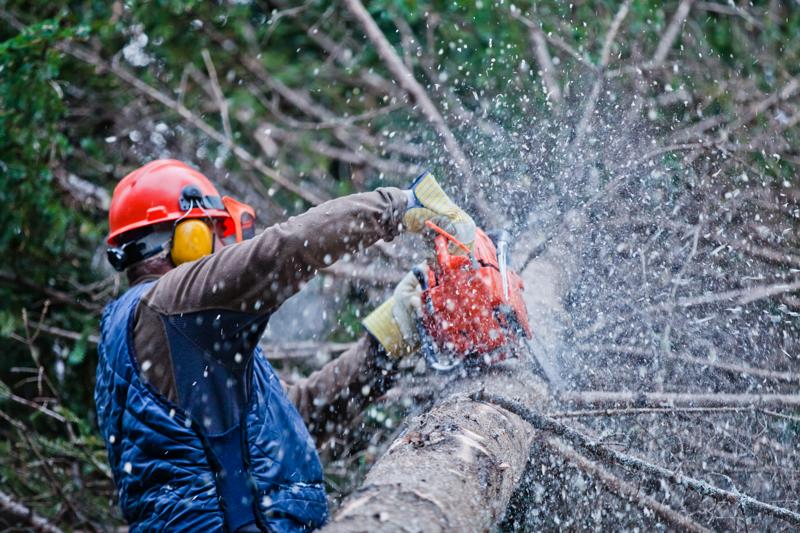
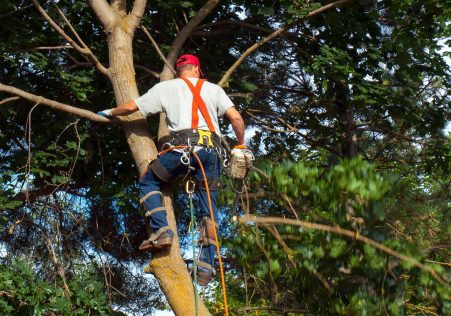
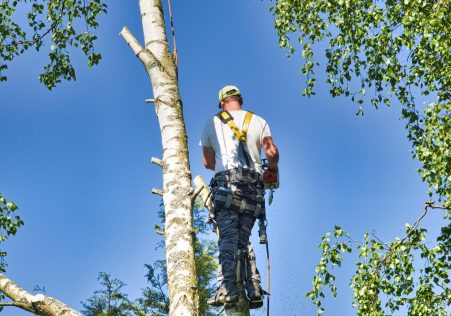
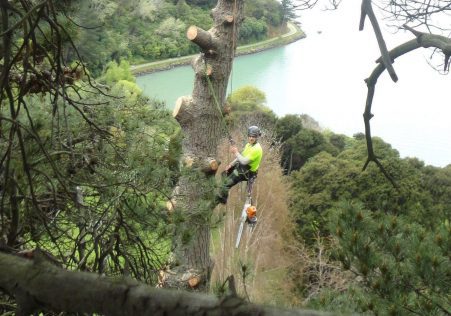
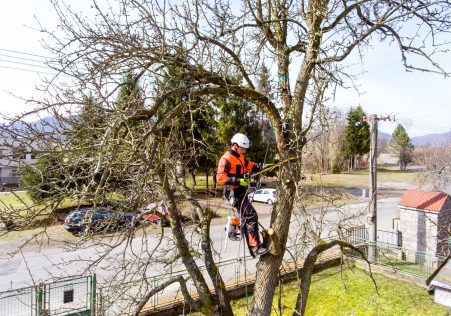
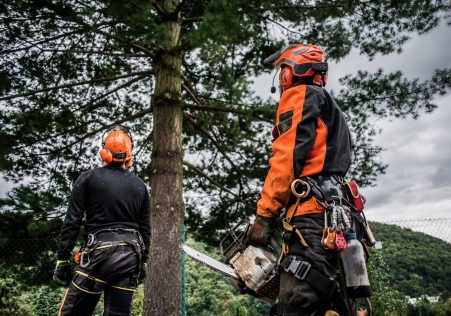
Tree removal is a crucial task for many property owners, however, it’s not as easy as cutting the tree’s branches and leaving the root to decompose. Knowing the life span of tree roots is vital to ensure that the removal process is done properly and safely. In this article, we will explore the length of time the roots of trees last after a tree is cut down , and also answer many of the frequently-asked concerns about this subject.
How long will tree roots live after cutting down?
The time span for the roots of a tree after it has been cut down can differ greatly based on the type of the tree being cut down, length of the roots, and the environmental conditions. In general, it’s reasonable to believe that the tree’s roots continue to exist for several years after a tree has been cut down. The reason for this is that the roots are still capable of absorbing water and nutrients from the soil{,|| and absorbing nutrients from the soil,} even after the tree is removed.
Factors that affect the longevity of Tree Roots
There are several variables that affect the longevity of tree roots after a tree is cut down. Some of these include different species of trees: Some species of trees contain roots that are robust and more durable than other species. For instance oak tree roots have been known to last for a long time after the tree is cut down. Dimension of roots The more extensive the tree’s roots, the longer they will likely last after the tree has been removed. This is because bigger roots are able to absorb nutrients and moisture from the soil. Conditions in the soil: The type, temperature, as well as levels of moisture in the region where trees were removed can affect the life span and longevity of roots. When the soil becomes dry, compacted and degraded, the roots are likely to decompose faster. In the case of soil that is well-drained and moist the roots will last longer.
What Happens to Tree Roots After Cutting Down?
When the tree is removed, the roots will slowly start to break down. This process may take a few years depending on the circumstances that were discussed earlier. In this period, the roots will slowly discharge nutrients to the soil which can be beneficial for other plants in the area. When the roots are fully gone through their decomposition, they will no longer be a danger to the surrounding landscapes or structures.
FAQs:
Are tree roots able to grow again after cutting down?
Tree roots are not able to grow back after a tree been removed. After the roots have been removed, they will slowly begin to break down and no longer be capable of being regrown.
Are tree roots able to continue to expand after cutting them down?
No, tree roots aren’t going to remain growing after a tree has been removed. But, they’ll be around for several years because they’re still capable taking in nutrients and moisture in the soil.
Are tree roots likely to continue to spread after the cutting?
No, tree roots will not continue to spread after a tree has been removed. After the tree is removed, the tree’s roots will slowly begin to decompose and not pose a risk to the surrounding landscapes or structures.
Conclusion:
In conclusion, the duration of the tree’s roots after the tree is cut down can vary greatly according to a number of variables. Understanding the length of time that tree roots will live is crucial for ensuring that the removal of trees is done correctly and safely. If you own a tree that needs removal, it is recommended to employ a professional Inner West Tree Removal arborist to carry out the job. Our highly trained and experienced arborists have the necessary equipment and experience to safely and effectively remove trees and address any concerns about the longevity and longevity of roots. Call us today by phone at 1300 636 143 to schedule a consultation and learn more about our tree removal services in Inner West. Don’t put your home at risk or putting yourself in danger when you attempt to remove a tree on your own. Let the experts from Inner West Tree Removal handle all of the tree removal requirements.